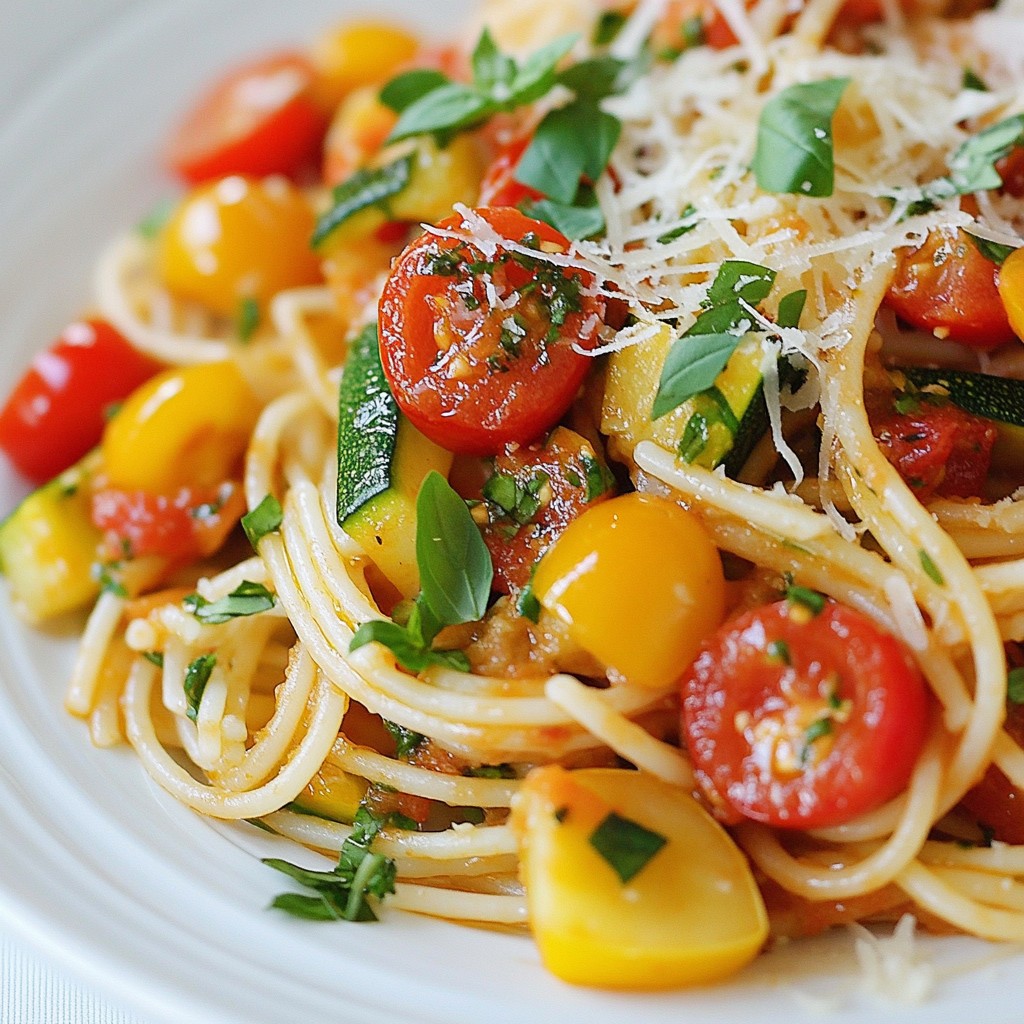
Are you ready to transform your dinner routine? In this post, I’ll show you how to make savory spaghetti with roasted veggie marinara. This dish is not just tasty; it's packed with fresh, colorful veggies. I’ll guide you through simple steps, share tips for flavor, and even suggest some fun variations. Say goodbye to boring dinners and hello to a vibrant feast that your whole family will love! Let's dive in!
Why I Love This Recipe
- Fresh and Flavorful: This dish highlights the natural flavors of roasted vegetables, making each bite a delight.
- Easy to Prepare: With simple ingredients and straightforward steps, this recipe is perfect for both beginners and seasoned cooks.
- Healthy and Wholesome: Packed with veggies, this spaghetti offers a nutritious meal without compromising on taste.
- Customizable: Feel free to add your favorite vegetables or proteins to make this dish your own!
Ingredients
Main Ingredients for Spaghetti
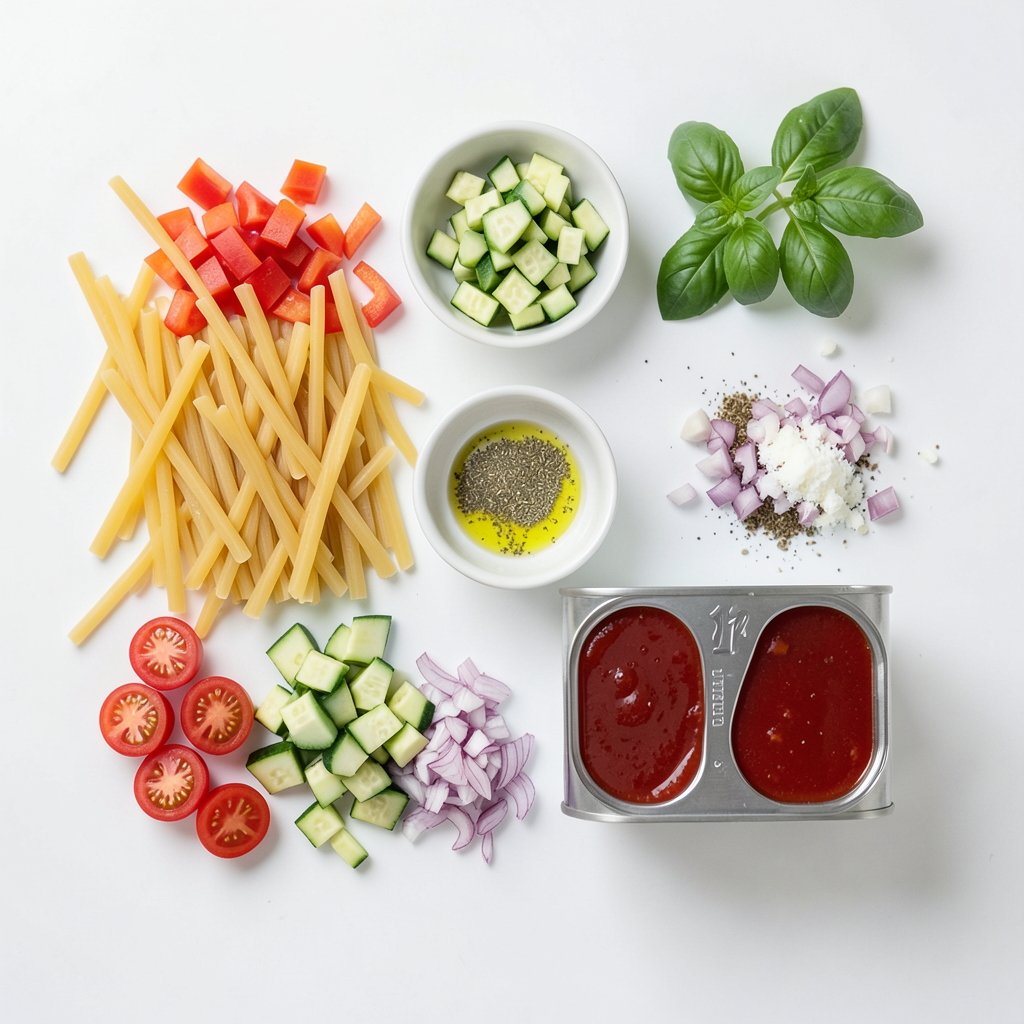
To make this savory dinner, you need:
- 12 oz spaghetti
- Salt for boiling water
These main ingredients form the base of your dish. Spaghetti is a classic choice, and it cooks quickly and easily.
Roasted Veggie Components
For the roasted veggie marinara, gather:
- 1 medium zucchini, diced
- 1 bell pepper (red or yellow), diced
- 1 cup cherry tomatoes, halved
- 1 red onion, chopped
- 3 cloves garlic, minced
These veggies add color and flavor. Roasting gives them a nice caramelized taste.
Seasoning and Garnishing Essentials
To bring all the flavors together, you will need:
- 2 tablespoons olive oil
- 1 teaspoon dried oregano
- 1 teaspoon dried basil
- Salt and pepper to taste
- 1 can (15 oz) crushed tomatoes
- Fresh basil leaves for garnish
- Grated Parmesan cheese (optional)
The olive oil helps the veggies roast well. The herbs and crushed tomatoes create a rich sauce. Fresh basil and Parmesan add the finishing touches to your meal.
Step-by-Step Instructions
Preparing the Vegetables
Start by washing all your vegetables. Dice the zucchini and bell pepper into small pieces. Halve the cherry tomatoes and chop the red onion. Mince the garlic cloves. Grab a large mixing bowl. Add all the diced veggies along with minced garlic, olive oil, oregano, basil, salt, and pepper. Toss everything together. Make sure each piece is well coated in the oil and spices. This step is key for great flavor.
Roasting the Veggies in the Oven
Preheat your oven to 400°F (200°C). Line a large baking sheet with parchment paper for easy cleanup. Spread the mixed vegetables in a single layer on the baking sheet. Make sure they are not crowded. This helps them roast evenly. Roast the veggies for 20-25 minutes. Stir them halfway through to ensure even cooking. They should become tender and slightly caramelized when done.
Cooking the Spaghetti and Combining Ingredients
While the veggies roast, bring a large pot of salted water to a boil. Add the spaghetti and cook according to package instructions until al dente. Drain the pasta, but save ½ cup of the cooking water. In a large saucepan, combine the roasted veggies with the crushed tomatoes. Stir well and let it simmer over low heat for about 5 minutes. If the sauce is too thick, add some reserved pasta water to thin it out. Finally, add the cooked spaghetti to the sauce. Toss gently to combine everything. Cook for an additional 2-3 minutes. Taste and adjust the seasoning as needed. Serve your delicious spaghetti hot, garnished with fresh basil leaves and a sprinkle of grated Parmesan cheese if desired. Enjoy your meal!
Tips & Tricks
Enhancing Flavor with Herbs and Spices
To boost flavor, use fresh herbs when possible. Fresh basil right before serving adds brightness. You can also try adding crushed red pepper for a spicy kick. Mix in extra oregano and basil during cooking to deepen the taste. If you want a unique twist, consider adding a pinch of nutmeg. This spice pairs well with tomatoes and gives warmth.
Perfecting the Pasta Texture
Cook your spaghetti until it is al dente. This means it should be firm but not hard. Stir the pasta while it cooks to prevent sticking. Once done, save some cooking water before draining. This water helps to bind the sauce to the pasta later. Toss the spaghetti with the sauce right after draining. This keeps it from becoming mushy.
Adjusting Sauce Consistency
If your sauce feels too thick, don't worry. Use the reserved pasta water to loosen it. Start with a little and stir until you reach your desired thickness. If it’s too thin, let it simmer a bit longer. This helps the flavors blend and thickens the sauce naturally. Always taste the sauce before serving. Adjust salt, pepper, or herbs as needed for perfect flavor.
Pro Tips
- Use Seasonal Vegetables: Fresh, seasonal produce will enhance the flavors of your marinara and make your dish more vibrant.
- Don't Skip the Garlic: Adding minced garlic to the roasted vegetables elevates the overall taste and adds depth to the sauce.
- Reserve Pasta Water: The starchy pasta water helps to create a silky sauce that clings beautifully to the spaghetti.
- Experiment with Herbs: Feel free to mix and match dried herbs like thyme or rosemary for a unique twist on the classic marinara.
Variations
Adding Protein: Chicken, Shrimp, or Tofu Options
You can boost your meal by adding protein. Cooked chicken works well. Just slice it into bite-sized pieces. Shrimp adds a nice touch too. Saute them until pink for best results. If you prefer plant-based options, tofu is great. Use firm tofu, cut it into cubes, and pan-fry until golden.
Vegan and Gluten-Free Adjustments
This dish can easily fit a vegan diet. Skip the cheese or use a vegan alternative. For gluten-free diners, swap spaghetti with gluten-free pasta. There are many brands available. Just make sure to follow the cooking time on the package.
Different Vegetable Combinations
Feel free to mix up the veggies. Eggplant adds a nice depth of flavor. Carrots or broccoli can add crunch and color too. Always consider the season. Use what is fresh and local. This makes the dish even better. Experiment with your favorites and have fun!
Storage Info
Best Practices for Refrigerating Leftovers
To keep your spaghetti with roasted veggie marinara fresh, start by letting it cool. Place the leftovers in an airtight container. Store them in the fridge. They will last up to three days. Make sure to label the container with the date. This way, you won’t forget when you made it.
Freezing Instructions for Future Meals
If you want to save some for later, freezing is a great option. First, let the dish cool completely. Then, place it in a freezer-safe container. You can also use freezer bags. Just be sure to remove as much air as possible. This will help prevent freezer burn. Your dish can stay good in the freezer for about three months.
Reheating Tips to Maintain Flavor and Texture
When it's time to reheat, take the pasta out of the fridge or freezer. If frozen, let it thaw in the fridge overnight. To reheat, you can use a microwave or a stove. If using the microwave, cover it to keep moisture in. Stir halfway through for even heating. If you’re using a stove, add a splash of water to keep it from drying out. Heat it over low until warmed through. Enjoy it just like the first time!
FAQs
Can I use fresh tomatoes instead of canned for the sauce?
Yes, you can use fresh tomatoes. Choose ripe tomatoes for the best flavor. You’ll need about 2 pounds of fresh tomatoes. First, peel and chop them. Then, cook them down until soft before mixing with the roasted veggies. Fresh tomatoes add a bright taste to your sauce.
What can I substitute for spaghetti?
If you want a change, try using whole wheat pasta, zucchini noodles, or gluten-free pasta. Each option gives a unique twist. Whole wheat pasta has more fiber. Zucchini noodles are low-carb and refreshing. Gluten-free pasta allows everyone to enjoy this dish!
How long can I store the leftovers?
You can store leftovers in the fridge for about 3 to 5 days. Use an airtight container to keep it fresh. If you want to save it longer, freeze it for up to 3 months. Just remember to let it cool first before freezing.
In this blog post, we covered how to make a tasty spaghetti dish. We explored key ingredients like roasted veggies and essential seasonings. I provided easy instructions for preparing, roasting, and cooking pasta. You learned helpful tips for flavor, texture, and sauce. I also shared variations to suit different diets and preferences. Finally, we discussed smart storage tips for leftovers and reheating methods.
Spaghetti is a fun meal to make and enjoy. Experiment with your favorite ingredients and savor every bite.