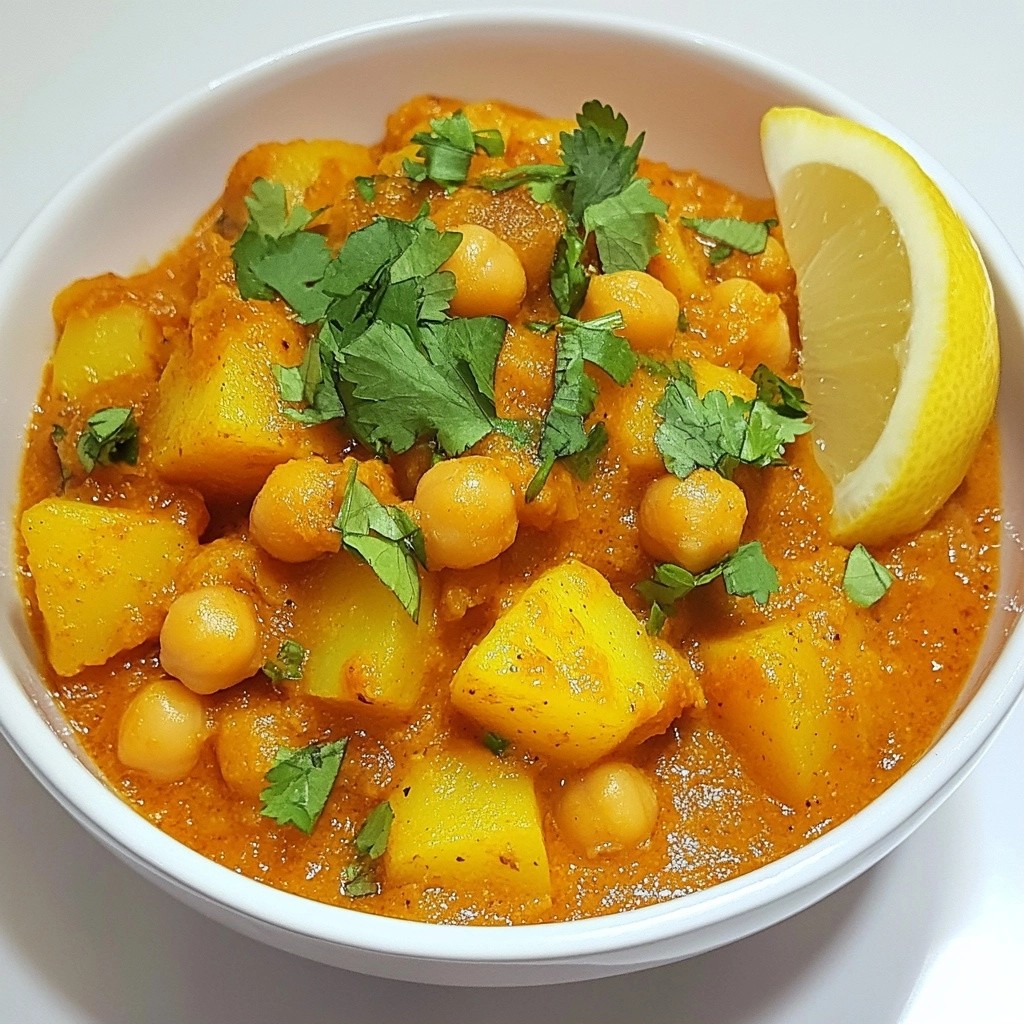
Looking for a warm, comforting dinner? Try my Chickpea and Potato Curry Delight! Packed with bold spices and creamy coconut milk, this dish is perfect for family nights. It's simple to make and caters to various diets. In this post, I’ll guide you through each step, share essential tips, and offer variations to keep things exciting. Let’s dive into this tasty adventure that will leave your family asking for seconds!
Why I Love This Recipe
- Simple Ingredients: This recipe uses common pantry staples, making it easy to whip up a delicious meal without a trip to the store.
- Quick Preparation: With a prep time of just 10 minutes, this curry can be on your table in under an hour, perfect for busy weeknights.
- Flavorful and Comforting: The combination of spices and coconut milk creates a rich, comforting dish that warms the soul.
- Versatile Serving Options: This curry pairs wonderfully with rice or naan, and the addition of lemon wedges brightens the dish.
Ingredients
Main Ingredients for Chickpea and Potato Curry
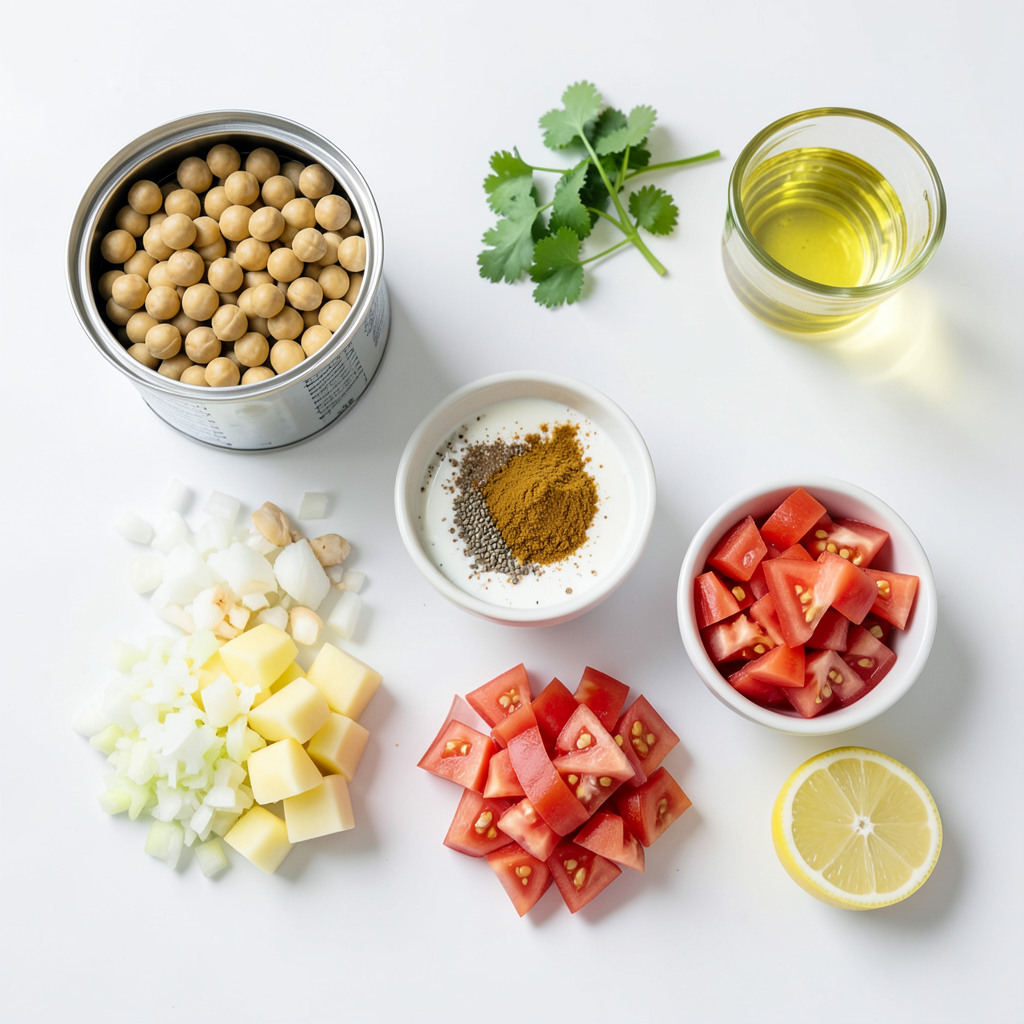
For this dish, you need simple and fresh ingredients. Here is what you will need:
- 2 cups canned chickpeas, drained and rinsed
- 2 medium potatoes, diced
- 1 large onion, finely chopped
- 3 garlic cloves, minced
- 1 tablespoon ginger, grated
- 2 medium tomatoes, chopped
- 1 cup coconut milk
These ingredients form the heart of your curry. The chickpeas add protein and texture, while the potatoes provide a comforting base that soaks up all the flavors.
Spice and Flavor Enhancers
Spices bring life to your dish. You’ll need:
- 2 tablespoons curry powder
- 1 teaspoon cumin seeds
- 1 teaspoon turmeric powder
- 2 tablespoons vegetable oil
- Salt to taste
These spices elevate the curry. Curry powder gives warmth, cumin seeds add depth, and turmeric brightens the dish.
Optional Garnishes and Serving Suggestions
Garnishing makes the dish appealing. You can add:
- Fresh cilantro, for garnish
- Lemons, cut into wedges for serving
Serving suggestions enhance the meal. Enjoy this curry with steamed jasmine rice or warm naan bread. The lemon wedges add a refreshing zing that balances the spices.
Step-by-Step Instructions
Preparing the Base of the Curry
Start by heating the vegetable oil in a large pot over medium heat. Once the oil is hot, add the cumin seeds. Let them sizzle for about 30 seconds. This step brings out their rich flavor. Next, add the finely chopped onion. Sauté it for about 5-7 minutes until it turns translucent. This adds a nice sweetness to the curry. Stir in the minced garlic and grated ginger, cooking for another 2 minutes. The aroma will fill your kitchen!
Cooking the Potatoes and Adding Spices
Now, add the diced potatoes to the pot. Sprinkle in the curry powder and turmeric powder. Stir well to coat the potatoes with the spices. This helps the flavors blend nicely. Cook everything together for about 3 minutes. Then, add the chopped tomatoes. Cook them until they soften, which should take about 4 minutes. The tomatoes will add moisture and acidity to balance the dish.
Finalizing the Curry with Coconut Milk and Chickpeas
Pour in the coconut milk and drained chickpeas. Stir everything well to combine. This mixture will be creamy and delicious! Bring the pot to a gentle boil, then reduce the heat to low. Cover the pot and let it simmer for 20-25 minutes. The potatoes should become tender. Stir occasionally to prevent sticking. Once done, taste the curry and add salt as needed. Remove it from heat and let it sit for 5 minutes. This resting time allows all the flavors to meld beautifully. Garnish with fresh cilantro just before serving. Enjoy!
Tips & Tricks
Essential Cooking Tips for Perfect Curry
To make your curry shine, use fresh spices. Fresh spices have a strong flavor. When cooking, let the cumin seeds sizzle first. This brings out their taste. Always chop your veggies evenly. This helps them cook at the same time. Stir often to prevent sticking. A non-stick pot can help with this too. Let the curry sit for a few minutes after cooking. This step allows the flavors to mix well.
Adjusting Spice Levels for Family Preferences
Not everyone likes the same spice level. To keep it mild, use less curry powder. You can also omit the cumin seeds. If your family loves spice, add more curry powder. A pinch of chili powder can give it a nice kick. Always taste your curry as it cooks. This way, you can adjust the spice to your liking. Remember, you can always add more spice, but you can't take it out.
Common Mistakes to Avoid
One common mistake is not draining the chickpeas well. Extra liquid can make your curry too runny. Make sure to chop your potatoes small enough. Large pieces take longer to cook and can be hard. Another mistake is not letting the curry simmer. This step is key for tender potatoes. Lastly, don’t forget to taste your food. Adjust the salt and spices before serving for the best flavor.
Pro Tips
- Use Fresh Spices: For the best flavor, use fresh spices instead of pre-ground ones. Toasting whole spices before adding them enhances their aroma and taste.
- Adjust the Heat: If you prefer a spicier curry, add some chopped green chilies or a pinch of cayenne pepper. Start with a small amount and adjust to your taste.
- Let It Rest: Allowing the curry to sit for a few minutes after cooking lets the flavors meld together beautifully, enhancing the overall taste.
- Garnish with Lemon: A squeeze of fresh lemon juice just before serving brightens the flavors and adds a refreshing zing to the dish.
Variations
Ingredient Swaps for Different Diets
You can easily change some ingredients to fit different diets. If you're vegan, use all plant-based items. Swap coconut milk with almond milk for a lighter option. For gluten-free diets, ensure your spices are gluten-free. You can also replace potatoes with sweet potatoes for a sweet twist.
Flavor Enhancements with Additional Ingredients
Add more depth to your curry with extra ingredients. Toss in a handful of spinach for color and nutrition. You can also add a splash of lime juice for a bright taste. If you like heat, throw in chopped green chilies. A spoonful of peanut butter can make it creamy and rich.
Making it a Heartier Meal
To make your curry more filling, try adding grains or legumes. Quinoa or brown rice brings extra fiber. You can also mix in lentils for added texture. Serve it with warm naan for a comforting touch. This way, you create a complete meal that warms both body and soul.
Storage Info
How to Store Leftovers Properly
To keep your Chickpea and Potato Curry fresh, store it in an airtight container. Let the curry cool down to room temperature before sealing it. Place it in the fridge if you plan to eat it within a few days. This way, you keep the flavors intact and avoid spoilage.
Reheating Instructions for Best Results
When it’s time to eat your leftovers, use the stovetop for reheating. Place the curry in a pot over medium heat. Stir it often to prevent the bottom from sticking. If the curry seems thick, add a splash of water or coconut milk. Heat until it reaches your desired temperature. This method keeps the texture and taste fresh.
Freezing for Future Meals
If you want to save the curry for later, freezing is a great option. Portion out the curry into freezer-safe containers. Leave some space at the top, as liquids expand when frozen. Label the containers with the date. When you’re ready to enjoy it, thaw the curry overnight in the fridge. Reheat it on the stovetop for a warm, comforting meal.
FAQs
How to make Chickpea and Potato Curry vegan?
To make this curry vegan, simply avoid using any animal products. In this recipe, we already use plant-based ingredients. The coconut milk adds creaminess without dairy. Just ensure that your curry powder does not contain animal products. This dish is naturally vegan and still very tasty.
Can I substitute fresh chickpeas?
Yes, you can use fresh chickpeas. You should soak them overnight. Then, cook them until soft before adding them to the curry. Fresh chickpeas take longer to cook than canned ones, so plan your time accordingly. Canned chickpeas are quick and easy, but fresh ones can add a nice texture.
What are some easy side dishes to serve with curry?
You can serve this curry with various sides. Here are some simple options:
- Steamed jasmine rice
- Warm naan bread
- Quinoa for a healthy twist
- Roasted vegetables for extra flavor
These sides complement the curry well, making your meal even better.
This blog post covered how to make a tasty Chickpea and Potato Curry. We explored the key ingredients, cooking steps, and essential tips for success. I shared ways to adjust spice levels and variations for different diets. Plus, we talked about storing leftovers and answering common questions.
Curry is easy, fun, and full of flavor. You can make it your own. Dive in and enjoy this dish today!