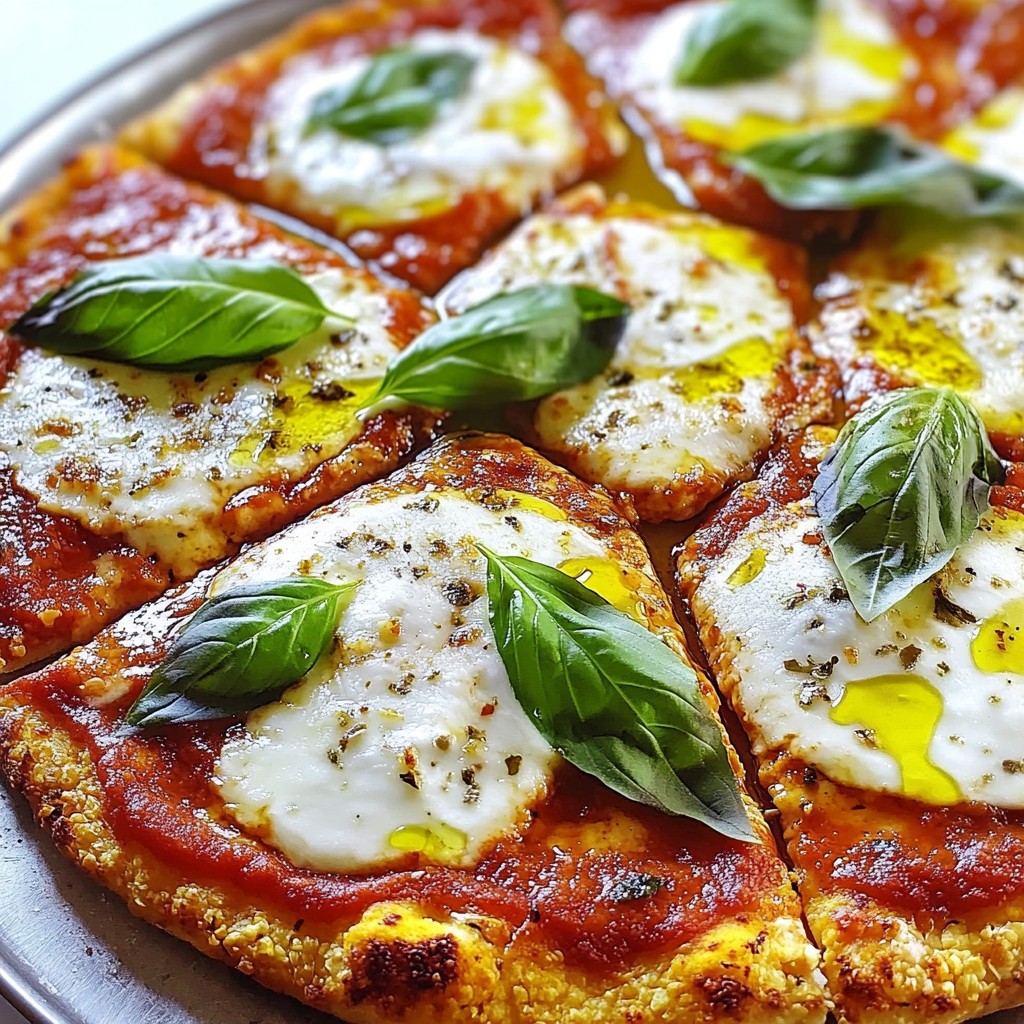
Are you ready to enjoy a pizza that satisfies cravings and fits your healthy goals? This Cauliflower Crust Margherita Pizza recipe gives you all the cheesy goodness without the guilt. Using riced cauliflower as a base, it offers a low-carb alternative that’s still bursting with flavor. Let’s dive into this simple and delicious recipe that you can easily make at home!
Why I Love This Recipe
- Healthy Alternative: This pizza crust is a great way to enjoy a classic favorite while incorporating more vegetables into your diet.
- Easy to Make: With simple ingredients and straightforward steps, this recipe is perfect for both beginners and seasoned cooks.
- Customize It: You can easily add your favorite toppings or switch out the cheeses to make it your own delicious creation.
- Guilt-Free Indulgence: Enjoy the flavors of a traditional margherita pizza without the heavy carbs, making it a satisfying treat.
Ingredients
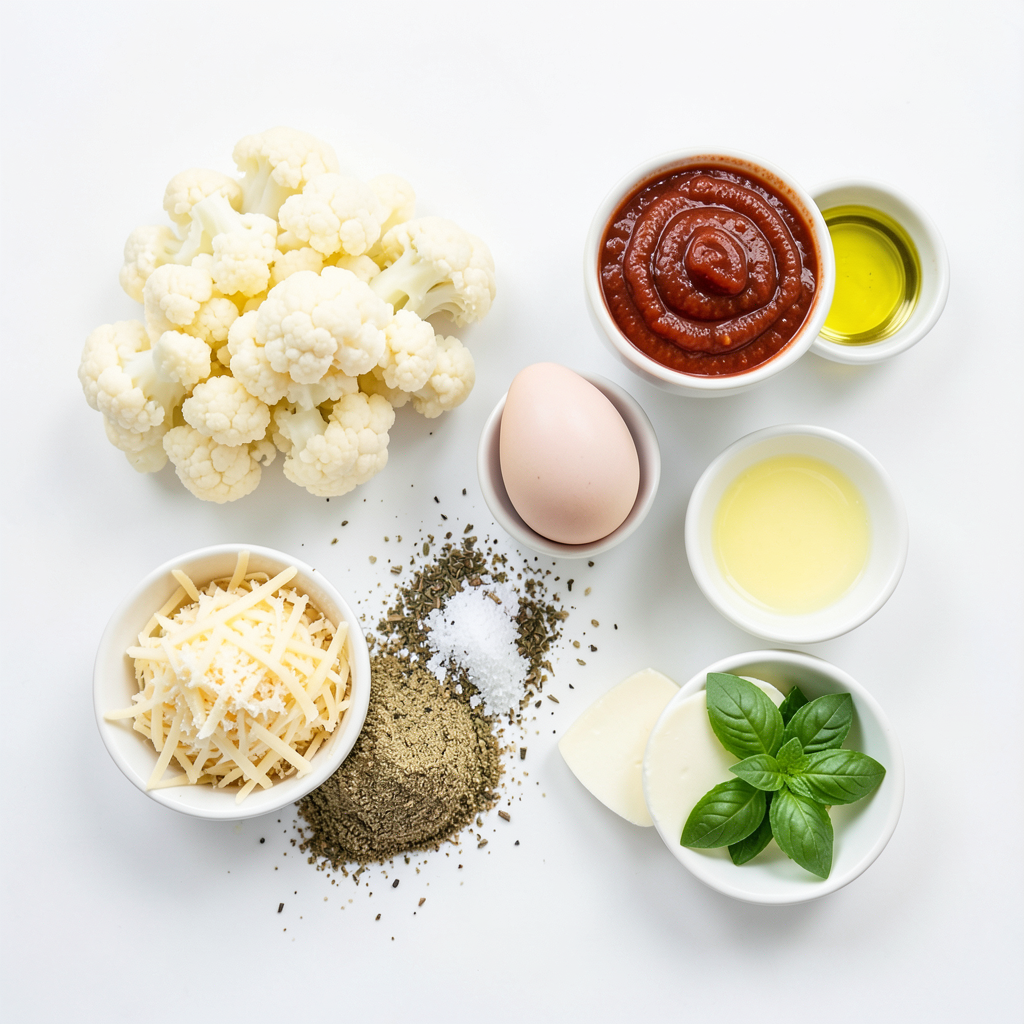
To make the Cauliflower Crust Margherita Pizza, you need the following ingredients:
- 1 medium head of cauliflower, riced
- 1 cup mozzarella cheese, shredded
- 1/4 cup Parmesan cheese, grated
- 1 large egg
- 1 teaspoon garlic powder
- 1 teaspoon dried oregano
- 1/2 teaspoon salt
- 1/2 teaspoon black pepper
- 1/2 cup marinara sauce (homemade or store-bought)
- 1 cup fresh mozzarella, sliced
- Fresh basil leaves for garnish
- Olive oil for drizzling
These ingredients create a tasty, healthy pizza. Riced cauliflower acts as a great base. It gives the crust a unique flavor and texture. The mix of cheeses adds richness. The egg helps bind everything together, making a sturdy crust.
I love using fresh basil on top. It adds a lovely aroma and taste. You can also drizzle olive oil for extra flavor. Each ingredient works together to create a delightful pizza experience. Cooking with these fresh ingredients makes your meal feel special. Enjoy gathering these items before you start cooking!
Step-by-Step Instructions
Preparation steps
1. Preheating the oven
Start by preheating your oven to 425°F (220°C). This sets the stage for a great crust.
2. Ricing the cauliflower
Take a medium head of cauliflower. Remove the leaves and stem. Cut it into small florets. Next, pulse the florets in a food processor until they look like rice or fine crumbs.
3. Microwaving and cooling the cauliflower
Transfer the riced cauliflower to a microwave-safe bowl. Microwave for about 5-7 minutes until soft. Let it cool for a few minutes.
4. Removing moisture from riced cauliflower
After cooling, place the riced cauliflower in a clean kitchen towel. Wring out as much moisture as you can. This is key for a crisp crust.
Making the crust
1. Mixing the crust ingredients
In a large mixing bowl, combine the riced cauliflower, 1 cup of shredded mozzarella, 1/4 cup of grated Parmesan, 1 large egg, 1 teaspoon of garlic powder, 1 teaspoon of dried oregano, 1/2 teaspoon of salt, and 1/2 teaspoon of black pepper. Mix until a dough forms.
2. Shaping the pizza on a baking sheet
Transfer the mixture to your prepared baking sheet. Press it into a round pizza shape, about 1/4 inch thick. Smooth the edges for a perfect finish.
3. Baking the crust
Bake the crust for 25-30 minutes. Look for it to be golden brown and crispy around the edges.
Assembling the pizza
1. Adding marinara sauce
Once the crust is done, take it out of the oven. Spread 1/2 cup of marinara sauce evenly over the top.
2. Topping with mozzarella and herbs
Layer 1 cup of fresh mozzarella slices on top of the sauce. Scatter some fresh basil leaves for extra flavor.
3. Final baking process
Return the pizza to the oven and bake for an additional 10-12 minutes. The cheese should be bubbly and slightly golden when it's ready.
Tips & Tricks
Ensuring a crispy crust
To get a perfect crust, moisture removal is key. After cooking the riced cauliflower, let it cool. Then, place it in a clean towel and squeeze out as much water as you can. This step helps the crust stay crispy. For baking, preheat your oven to 425°F (220°C). Bake the crust for 25-30 minutes. Look for a golden color on the edges.
Flavor enhancement options
You can boost the flavor easily. Adding herbs like basil, thyme, or rosemary makes a big difference. Spices like red pepper flakes can add a nice kick. Use a good marinara sauce for the base. Homemade sauce is great, but store-bought works too. Choose one that is rich and full of flavor.
Best practices for assembling the pizza
When putting your pizza together, layer your toppings evenly. This ensures each bite has a great mix of flavors. Start with marinara sauce first, then add mozzarella. For fresh basil, tear the leaves instead of cutting. This keeps their flavor strong. Don’t forget a drizzle of olive oil before serving for that extra touch!
Pro Tips
- Use Fresh Cauliflower: For the best texture and flavor, use fresh cauliflower instead of frozen. Frozen cauliflower often contains more moisture, which can lead to a soggy crust.
- Moisture Removal is Key: Wringing the riced cauliflower in a kitchen towel is crucial. The drier the cauliflower, the crispier your crust will be.
- Experiment with Cheese: While mozzarella and Parmesan are classic choices, feel free to experiment with other cheeses to customize the flavor of your crust.
- Fresh Basil for Garnish: Adding fresh basil leaves just before serving enhances the pizza's flavor and presentation. It’s a simple touch that makes a big difference!
Variations
Vegan Cauliflower Crust Margherita Pizza
You can make this pizza vegan. Replace the mozzarella cheese with vegan cheese. For the egg, use a flaxseed meal. Mix one tablespoon of flaxseed meal with three tablespoons of water. Let it sit for five minutes to thicken. This mix works like an egg, helping to bind the crust.
Gluten-Free Option
This recipe is naturally gluten-free. Ensure all your ingredients are gluten-free. Look for gluten-free marinara sauce and cheese. Check labels to confirm. If you use pre-made sauce or cheese, some brands may contain gluten.
Other Topping Ideas
You can customize your pizza with different toppings. Add veggies like bell peppers, mushrooms, or spinach. For protein, try cooked chicken or pepperoni. Mix and match to suit your taste. Just remember to keep the toppings light to avoid a soggy crust.
Storage Info
Refrigeration
To store leftovers, let the pizza cool completely. Then, slice it into pieces. Place each slice in an airtight container. You can also wrap slices in plastic wrap. This keeps the pizza fresh in the fridge for up to three days.
Use glass or BPA-free plastic containers for storage. These containers keep the pizza safe and tasty. Make sure your container has a tight seal to prevent air from getting in.
Freezing
To freeze the pizza, start by letting it cool completely. Then, wrap each slice tightly in plastic wrap. This helps keep the pizza fresh while frozen. You can also use freezer bags. Just squeeze out as much air as possible before sealing.
To reheat, start by removing the pizza from the freezer. Let it thaw in the fridge overnight. If you’re short on time, you can reheat it directly from the freezer. Preheat your oven to 375°F (190°C). Bake the pizza for about 15-20 minutes, or until it’s hot and crispy. Enjoy your delicious pizza at any time!
FAQs
How do I make cauliflower pizza crust crispy?
To make the crust crispy, you must remove moisture. Here are three methods:
- Microwave it: Cook the riced cauliflower for 5-7 minutes. This softens it.
- Wring it out: After microwaving, use a clean kitchen towel. Squeeze out as much water as you can.
- Bake longer: Bake the crust until it is golden brown. This helps dry it out.
Can I use frozen cauliflower rice?
Yes, you can use frozen cauliflower rice. Here are the pros and cons:
- Pros: It saves time since it's pre-riced. It's easy to find in stores.
- Cons: Frozen cauliflower may have more moisture. Drain and squeeze it well before using. Fresh cauliflower has a better flavor, too.
What is the nutritional benefit of cauliflower crust?
Cauliflower crust has many benefits compared to traditional pizza crust:
- Lower carbs: It's great for low-carb diets.
- More fiber: Cauliflower has more fiber than wheat.
- Vitamins: It has vitamins C and K, which are good for health.
This makes cauliflower crust a healthier choice overall.
Cauliflower pizza crust is simple and tasty. We covered ingredients, preparation, and assembly. You learned how to ensure a crispy crust and explored fun variations.
Try adding your own toppings for unique flavors. Store any leftovers properly, so nothing goes to waste. Enjoy making this dish and share it with friends. You can have fun and eat healthy!